Emergency Medicine I
Basic Emergency Principles
Principal Course Master(s):
Course Overview
This module provides advanced foundational training in veterinary emergency medicine, focusing on rapid patient assessment, stabilization, emergency diagnostics, resuscitation, emergency procedures, and analgesia/anesthesia principles in critically ill patients. The module emphasizes evidence-based clinical reasoning, procedural competence, and team-based emergency management.
Distinctive topics:
- Introduction to emergency medicine, incl. ABCD, Triage and emergency room equipment
- Point-of-care laboratory diagnostics for the emergency patient incl. interpretation
- Physiology of respiration and gas exchange
- Recognition and pathophysiology of respiratory distress
- General and specific stabilization of patients with respiratory distress based on leading symptoms, video-based case discussions
- Chest X-ray introduction to interpretation and case discussions
- Shock and fluid therapy: identification of shock, fluid choice, fluid dosages, fluid additives
- Fluid therapy case discussion in groups
- Hematology and cytology interpretation
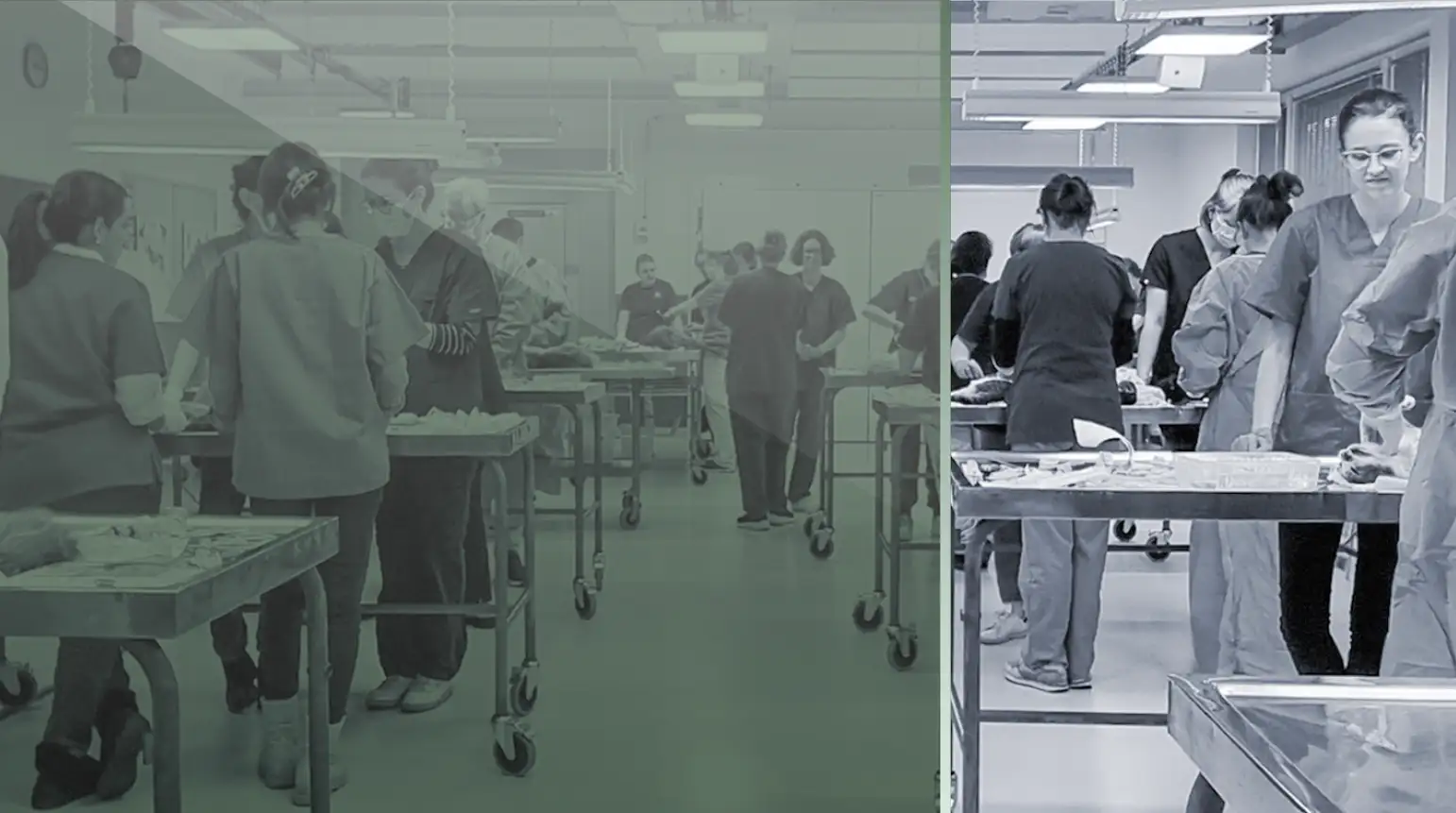
- Emergency Procedures: Theory and Practical Exercise
- Oxygen supplementation
- Thoracentesis and thoracic drains
- Tracheostomy
- Venous (peripheral and central) cut down
- Intraosseous catheters
- Basic CPR, Advanced CPR and lab
- Pain management and anesthesia principles and protocols in the emergency patient
Learning outcomes
Upon successful completion of this module, participants will be able to:
Knowledge and Understanding
- Critically explain the pathophysiology of shock, respiratory distress, and cardiopulmonary arrest in emergency patients.
- Evaluate the principles and clinical application of triage, ABCD assessment, and emergency stabilization protocols.
- Interpret emergency diagnostic findings including point-of-care laboratory data, hematology, cytology, and thoracic radiographs.
- Explain the pharmacological principles of analgesic, sedative, anesthetic, and resuscitation drugs used in emergency medicine.
- Analyze indications, contraindications, risks, and complications associated with emergency procedures and fluid therapy.
- Define the principles of oxygen supplementation methods and identify the appropriate delivery system for various degrees of respiratory compromise in small animal emergency patients.
- Recall the interpretation of point-of-care hematology and clinical chemistry parameters in the context of emergency triage and initial stabilization of critically ill veterinary patients.
Clinical and Technical Skills
- Perform systematic triage and primary emergency assessment of critically ill veterinary patients.
- Implement appropriate stabilization strategies for patients presenting with respiratory compromise and circulatory shock.
- Safely perform core emergency procedures including oxygen supplementation, thoracocentesis, venous cut-down, and airway management techniques.
- Formulate and administer evidence-based fluid therapy plans according to patient perfusion status and underlying disease processes.
- Demonstrate competency in basic and advanced cardiopulmonary resuscitation according to current RECOVER CPR guidelines.
- Interpret thoracic radiographs in the emergency setting, identifying key pathological findings relevant to respiratory and cardiovascular emergencies.
- Diagnose and manage analgesia requirements in emergency patients, selecting and administering appropriate analgesic protocols based on pain assessment and clinical status.
Professional Competencies and Clinical Decision-Making
- Prioritize emergency interventions using structured clinical reasoning in time-critical situations.
- Integrate diagnostic findings and patient monitoring data into emergency treatment plans.
- Communicate effectively with veterinary team members during emergency stabilization and resuscitation procedures.
- Apply principles of patient safety, infection control, and professional responsibility during emergency interventions.
- Critically reflect on emergency case management and identify areas for continuous professional development and quality improvement.
- Plan and adapt triage protocols and emergency room workflows to optimise patient throughput and safety standards in a veterinary emergency setting.
- Evaluate the clinical outcome of emergency interventions, assuming autonomous responsibility for treatment adjustments and escalation decisions in time-critical veterinary emergencies.
Learning and Teaching Strategy
The module combines:
- Specialist-led lectures
- Interactive case-based learning
- Video-assisted emergency case discussions
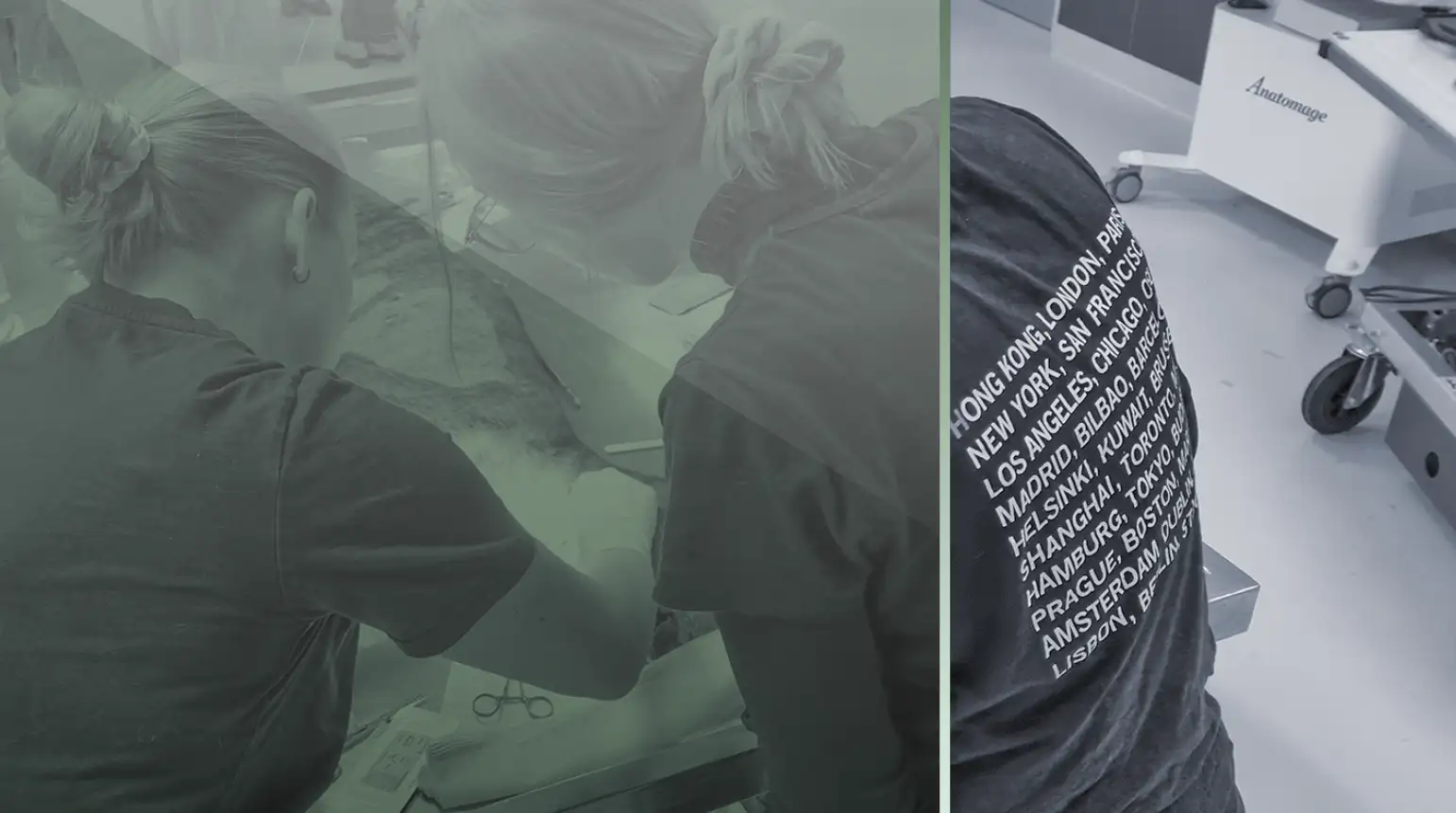
- Practical procedural laboratories
- CPR simulation training
- Small-group clinical reasoning exercises
Emphasis is placed on integration of theoretical knowledge with practical emergency decision-making and procedural competence.
Course Program (Subject to change)
Monday, 18 January 2027
08:30 – 09:00 Introduction including certificate information
09:00 – 10:00 Emergency facility – Adamik
10:30 – 12:30 Triage and ABCD – Sigrist
12:30 – 13:30 Lunch Break
13:30 – 14:30 Lab CBC based on cases – Sigrist
14:30 – 17:00 Lab Chemistry based on cases – Sigrist
17:00 – 17:30 Q&A
Tuesday, 19 January 2027
08:00 – 09:00 Respiratory distress – Sigrist
09:00 – 10:00 Stabilization of respiratory distress – Sigrist
10:30 – 12:30 Leading symptoms and what they tell me including emergency procedures – Sigrist
12:30 – 13:30 Lunch Break
13:30 – 14:30 Chest x-ray evaluation – Precht
14:30 – 15:30 Chest x-ray case discussion – Precht
16:00 – 17:30 Video cases respiratory distress – Sigrist
Wednesday, 20 January 2027
08:00 – 09:00 Schock identification – Sigrist
09:00 – 10:00 Fluid types – Sigrist
10:30 – 11:30 Fluid dosages – Sigrist
11:30 – 12:30 Fluid additives – Sigrist
12:30 – 13:30 Lunch Break
13:30 – 14:30 Fluid therapy case discussion in groups – Sigrist
14:30 – 17:00 Fluid case presentation – Sigrist & Adamik
Thursday, 21 January 2027
08:00 – 10:00 Hematology and cytology – Overview – Peters
10:30 – 12:30 Analgesia for the emergency patient – Sigrist
12:30 – 13:30 Lunch Break
13:30 – 17:30 Emergency procedures LAB – Adamik & Sigrist & Guillet & Resident
Friday, 22 January 2027
08:00 – 10:00 Anesthesia principles and protocols for the emergency patient
10:30 – 11:30 Cardiopulmonary resuscitation: basic live support – Sigrist
11:30 – 12:30 Cardiopulmonary resuscitation: advanced live support
12:30 – 13:30 Lunch Break
13:30 – 15:30 CPR Lab Adamik & Guillet/Case discussions (half group)
16:00 – 17:00 Certificate information, Casus Case, Course closing – Sigrist
Emergency Medicine I
18/01/2027 - 22/01/2027Location:
Bern, SwitzerlandVenue:
Länggassstrasse 120, 3012, Bern, Switzerland
Tuition fee*:
TBA
Early registration fee*:
TBA
Early registration deadline:
Total hours:
40
ATF hours (AU, DE, LU, CH):
TBA
ECTS credits (Master & Certificate):
5
* eLibrary access is included in the course fee