Critical Care Medicine I
Basic ICU Principles
Principal Course Master(s):
Course Master(s):
Course Overview
This module provides advanced postgraduate training in the principles of intensive care medicine in small animal patients. The course focuses on intensive care unit (ICU) organization, advanced fluid therapy, sepsis management, nutritional support, respiratory and cardiovascular monitoring, and practical intensive care procedures. Emphasis is placed on evidence-based critical care medicine, patient monitoring, clinical reasoning, and hands-on ICU skills relevant to the management of critically ill veterinary patients.
Indicative Content
ICU Organization and Principles
- ICU planning and staffing
- ICU workflow and organization
- Introduction to the Rule of 20
- Hygiene protocols and infection prevention in the ICU
- Antibiotic therapy principles in critically ill patients
Advanced Fluid Therapy
- Fluid therapy refresher
- Fluid therapy in patients with increased vascular permeability
- Fluid therapy in patients with renal disease or cardiac disease
- Recognition and management of fluid overload
- Hemodynamic stabilization principles
Sepsis and Septic Patient Management
- Pathophysiology and diagnosis of sepsis
- Current sepsis guidelines and updates
- Septic peritonitis stabilization and treatment
- Postoperative management of septic peritonitis
- Vasopressor therapy in critically ill patients
Intensive Care Monitoring
- Respiratory monitoring techniques
- Cardiovascular monitoring including advanced monitoring techniques
- Blood gas interpretation and acid–base analysis
- Blood gas case discussions
- Monitoring of the comatous patient
- Central venous pressure (CVP) interpretation
ICU Procedures and Nutritional Support
- Central venous catheter placement and management
- Tracheostomy tube management
- Enteral nutritional support and feeding tube management
- Parenteral nutrition principles
- Placement of feeding tubes and urinary catheters
- Practical ICU laboratory sessions
Clinical Reasoning and Case Discussions
- ICU case discussions in small groups
- ICU case presentations
- Clinical reasoning exercises in critical care medicine
Detailed topics:
- ICU planning and staffing
- Introduction to the rule of 20
- Advanced fluid therapy including increased permeability, renal disease
- Central venous catheters: placement, Lab, CVP interpretation
- Tracheostomy tube management
- Nutrition of the ICU patient: tubes and parenteral nutrition
- Management of the septic patient, Sepsis update
- Respiratory and cardiovascular monitoring
- Hygiene and antibiotic therapy in the ICU
- Case discussions
Learning Outcomes
Upon successful completion of this module, participants will be able to:
Knowledge and Understanding
- Critically explain the principles of intensive care medicine, ICU organization, and management of critically ill veterinary patients.
- Evaluate advanced fluid therapy strategies in critically ill patients with sepsis, renal disease, cardiac disease, and altered vascular permeability.
- Interpret respiratory, cardiovascular, and acid–base monitoring data relevant to intensive care medicine.
- Explain evidence-based approaches to sepsis management, nutritional support, and ICU patient stabilization.
- Analyze the role of advanced monitoring techniques and invasive procedures in critical care medicine.
- Outline the principles of hygiene, infection prevention, and antimicrobial stewardship relevant to the ICU environment in small animal patients.
- Describe the pharmacological properties and clinical applications of vasopressors, analgesics, and sedatives used in the management of critically ill ICU patients.
Clinical and Technical Skills
- Perform systematic assessment and stabilization of critically ill ICU patients.
- Apply advanced fluid therapy principles in complex critical care scenarios.
- Perform placement and management of central venous catheters, feeding tubes, and urinary catheters.
- Interpret blood gas analysis, acid–base disturbances, and cardiovascular monitoring parameters.
- Develop nutritional support plans and monitoring protocols for critically ill veterinary patients.
- Assess the clinical response to vasopressor therapy and adjust treatment protocols in patients with distributive or cardiogenic shock.
- Diagnose and categorize fluid overload and recommend appropriate de-escalation strategies including diuretic approaches in the critically ill ICU patient.
Professional Competencies and Clinical Decision-Making
- Prioritize interventions using structured clinical reasoning in critically ill patients.
- Integrate clinical examination findings with advanced monitoring and laboratory data to guide ICU treatment plans.
- Communicate effectively with veterinary team members regarding ICU stabilization priorities, patient monitoring, and ongoing management.
- Apply principles of patient safety, infection control, and evidence-based medicine in intensive care settings.
- Critically evaluate ICU case outcomes and identify opportunities for quality improvement and continued professional development.
- Manage the welfare and ethical aspects of critically ill patients, including end-of-life decisions, in collaboration with owners and the veterinary team.
- Coordinate multidisciplinary ICU rounds and design structured monitoring and treatment plans that promote consistent, high-quality care for critically ill veterinary patients.
Learning and Teaching Strategy
The module combines:
- Specialist-led lectures
- Interactive ICU case discussions
- Practical ICU laboratory sessions
- Small-group clinical reasoning exercises
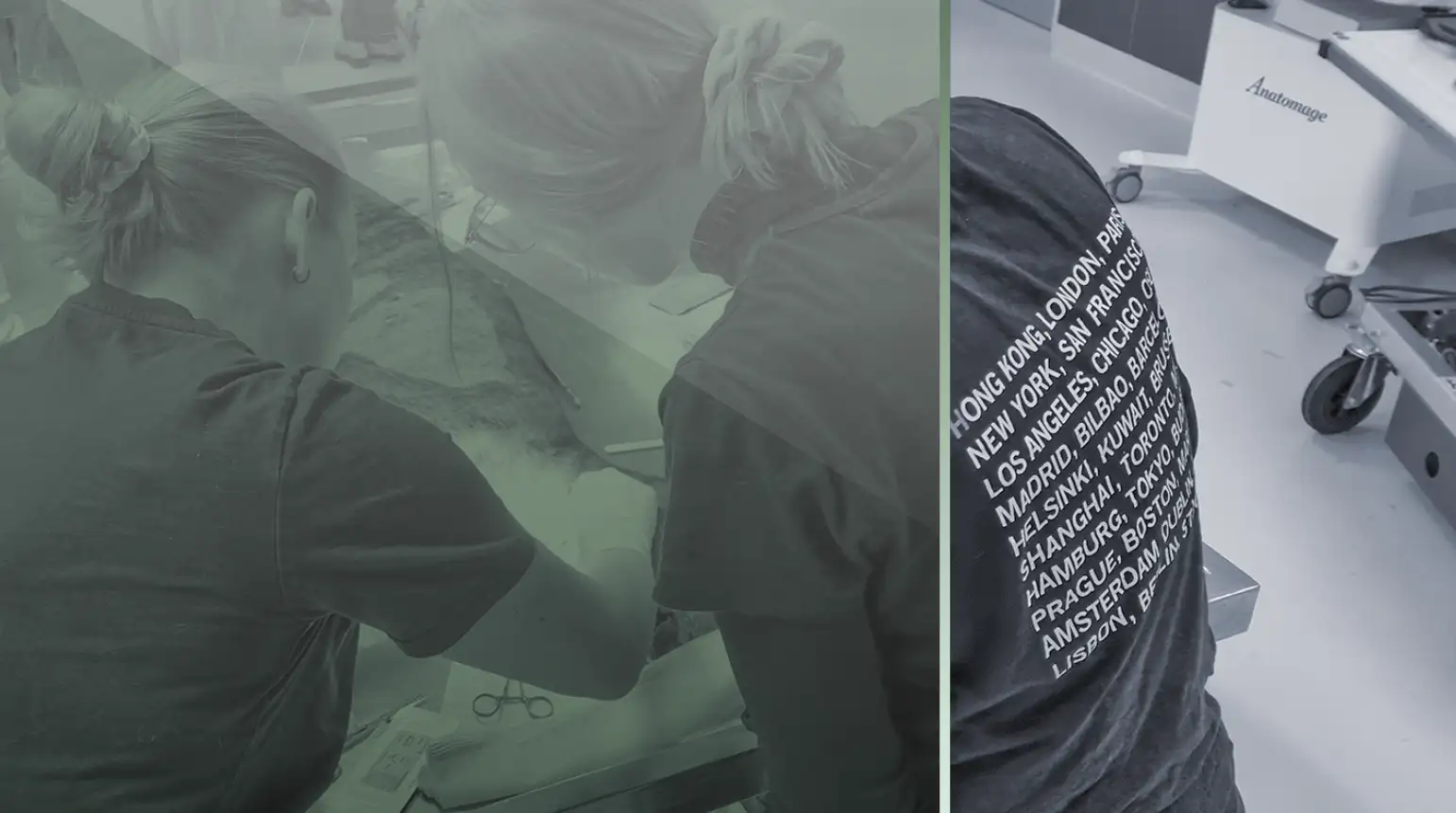
- Hands-on catheter and feeding tube placement training
- Evidence-based critical care medicine discussions
- ICU case presentations
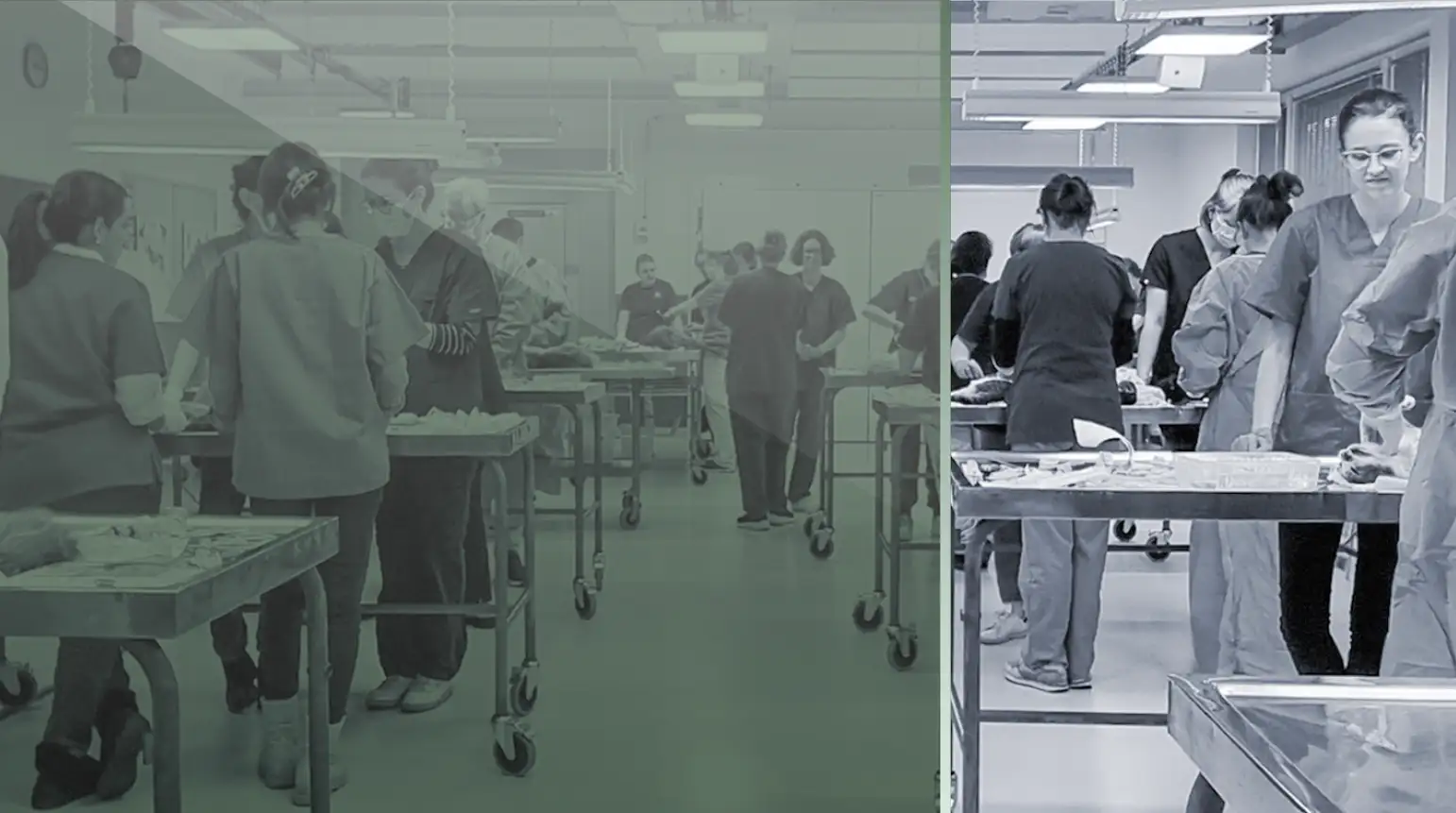
The course emphasizes integration of theoretical knowledge with practical intensive care procedures, specialist-level clinical reasoning, and advanced monitoring techniques for critically ill veterinary patients.
Course Program (Subject to change)
Monday, 23 August 2027
08:30 – 09:00 Introductio
09:00 – 10:00 ICU organization and design – Adamik
10:30 – 12:30 Rule of 20
12:30 – 13:30 Lunch Break
13:30 – 14:30 Fluid therapy refresher – Sigrist
14:30 – 17:00 Fluid therapy with increased permeability – Adamik
17:00 – 17:30 Q&A
Tuesday, 24 August 2027
08:00 – 09:00 Sepsis – Sigrist
09:00 – 10:00 Septic peritonitis – Sigrist
10:30 – 12:30 Postoperative management of septic peritonitis: case discussion including vasopressors – Adamik
12:30 – 13:30 Lunch Break
13:30 – 14:30 Fluid overload – Adamik
14:30 – 17:00 Fluid therapy in patients with renal or heart disease – Sigrist
17:00 – 17:30 Q&A
Wednesday, 25 August 2027
08:00 – 09:00 Nutritional support of the ICU patient – Sigrist
09:00 – 10:00 Tube feeding – Sigrist
10:30 – 11:30 Parenteral nutrition – Adamik
11:30 – 12:30 Placement of CVC and CVP interpretation – Adamik
12:30 – 13:30 Lunch Break
13:30 – 17:00 LAB: CVC, feeding tubes, urinary catheters – Sigrist/Adamik/Resident
17:00 – 17:30 Q&A
Thursday, 26 August 2027
08:00 – 09:00 Blood gas acid-base – Sigrist
09:00 – 10:00 Blood gas acid-base case discussions – Sigrist
10:30 – 11:30 Management of the comatous patient – Sigrist
11:30 – 12:30 ICU case discussion in groups – Sigrist
12:30 – 13:30 Lunch Break
13:30 – 17:00 ICU case presentations – Adamik & Sigrist
17:00 – 17:30 Q&A
Friday, 27 August 2027
08:00 – 10:00 Respiratory monitoring – Sigrist
10:30 – 12:30 Cardiovascular monitoring incl. advanced techniques – Sigrist
12:30 – 13:30 Lunch Break
13:30 – 14:30 ICU case discussion (DKA) – Sigrist
14:30 – 16:00 Certificate information, Casus case and course closure – Sigrist
Critical Care Medicine I
23/08/2027 - 27/08/2027Location:
Bern, SwitzerlandVenue:
Länggassstrasse 120, 3012, Bern, Switzerland
Tuition fee*:
TBA
Early registration fee*:
TBA
Early registration deadline:
Total hours:
40
ATF hours (AU, DE, LU, CH):
TBA
ECTS credits (Master & Certificate):
5
* eLibrary access is included in the course fee