European School for Advanced Veterinary Studies
6 live sessions
Practical Success in Avian Medicine – A Case-Oriented Approach
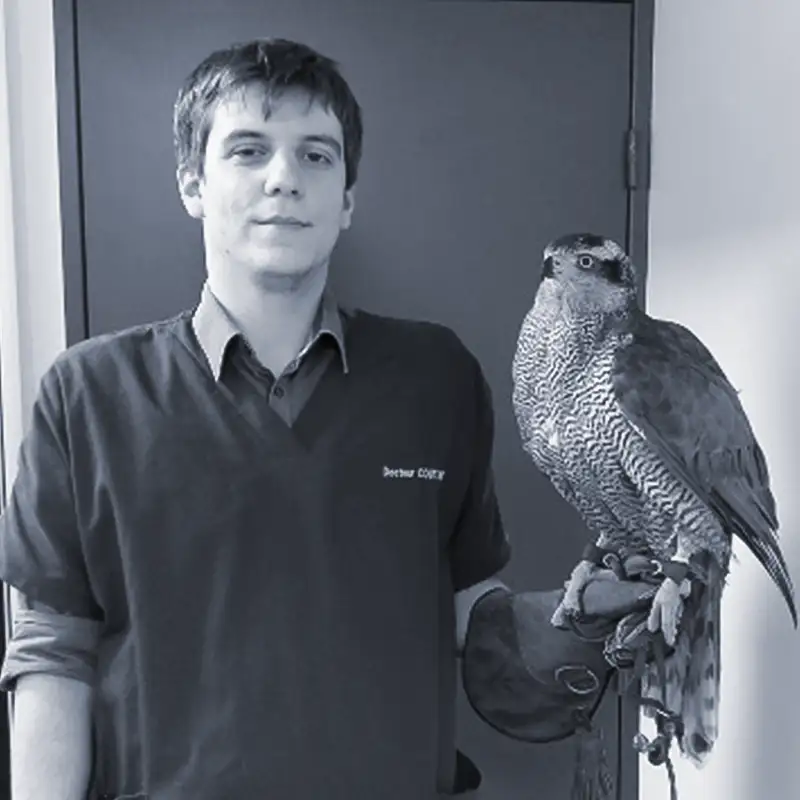
This online series features 6 interactive live sessions focused on clinical case management in avian medicine. In each session, Dr Thomas Coutant (Dipl. ECZM Avian) will present real-life avian cases with a structured clinical approach to help veterinarians improve their diagnostic and therapeutic skills in their daily practice.
The sessions last 90 to 120 minutes each and include preparatory case materials (PDF or PowerPoint) sent in advance. After each live session, an open forum will be available for one week to discuss questions and share insights. Interaction is limited to a small group to ensure optimal engagement, and selected participant-submitted cases may be discussed depending on availability.
Avian Medicine, Session 1
Managing avian respiratory distress from initial stabilization to discharge
Managing avian respiratory distress – from crisis to care
This session will provide a comprehensive overview of the emergency management of respiratory distress in birds. Using clinical cases, you will learn how to recognize life-threatening respiratory signs, perform rapid assessments, initiate first therapeutic emergency steps, and develop a structured plan from stabilization through diagnostic work-up and ongoing treatment.
Aims:
– Learn to rapidly identify and prioritize respiratory emergencies in avian patients
– Understand how to stabilize patients efficiently with oxygen and supportive care
– Develop stepwise diagnostic and therapeutic plans guiding discharge and follow-up
Preparation material:
• Documentation on avian respiratory anatomy and physiology
• Case files featuring respiratory distress scenarios for pre-session review
Live workshop:
Interactive discussion of case management from initial presentation to successful resolution, including diagnostic decision-making and complication avoidance.
Avian Medicine, Session 2
Regurgitation in birds: building a sound diagnostic plan to tailor the treatment plan
Regurgitation in birds – systematic diagnosis and tailored treatment
This session focuses on avian regurgitation, exploring underlying causes and diagnostic pitfalls. Cases will show how to gather history, perform physical exams, and use imaging and laboratory data to establish targeted therapies.
Aims:
– Understand differential diagnoses for regurgitation across avian species
– Learn how to build a reliable, stepwise diagnostic approach
– Create individualized treatment plans based on findings
Preparation material:
• Documentation on avian digestive anatomy and physiology
• Case materials illustrating various regurgitation causes
Live workshop:
Group discussion of cases, emphasizing critical thinking in diagnostics and formulation of effective treatment protocols.
Avian Medicine, Session 3
Avian reproductive issues: from the parrot laying too many eggs to the chicken not laying eggs anymore
Avian reproductive disorders – managing excess and failure
Covering a broad spectrum of avian reproductive diseases, this session addresses egg laying disorders in parrots and poultry. From pathophysiology to diagnostics and treatment options, you will build clinical confidence.
Aims:
– Identify common reproductive disorders and their clinical signs
– Learn diagnostic strategies for reproductive dysfunction
– Discuss management options including medical and surgical therapies
Preparation material:
• Documentation on avian reproductive anatomy and physiology
• Case materials on chronic laying and cessation of egg production
Live workshop:
Interactive case discussions highlighting diagnostic challenges and therapeutic decision-making.
Avian Medicine, Session 4
When the urates turn green...
Interpreting green urates – clues to systemic disease
This session explores via the main clinical sign which is biliverdinuria, the variety of hepatic diaseses in companion birds. Clinical cases will guide you through diagnostics and management strategies.
Aims:
– Recognize clinical significance of green urate and develop a differential diagnosis
– Formulate appropriate diagnostic imaging and laboratory exams to explore hepatic diseases
– Develop appropriate therapeutic plan to manage those diseases
Preparation material:
• Documentation on avian hepatic anatomy and physiology
• Case studies featuring urate discoloration
Live workshop:
Case-based discussions focusing on interpreting clinical signs and laboratory data related to urate changes.
Avian Medicine, Session 5
Managing lameness in birds: is it really so basic?
Avian lameness – more than meets the eye
Lameness in birds can have complex causes. This session covers orthopedic, neurologic, and infectious factors contributing to lameness, with an emphasis on diagnostic imaging and treatment.
Aims:
– Differentiate causes of lameness through systematic clinical approach
– Learn appropriate use of radiography, cytology and other diagnostics
– Discuss effective treatment strategies tailored to underlying cause
Preparation material:
• Documentation on avian musculoskeletal and peripheral nervous system anatomy and physiology
• Selected case files illustrating diverse etiologieson
Live workshop:
Hands-on case discussions to enhance clinical reasoning and management skills.
Avian Medicine, Session 6
Help! The bird has a seizure!
Seizure management in birds – emergency and diagnostics
Neurological emergencies pose particular challenges in avian medicine. This session discusses the recognition of seizures, initial stabilizing care, and diagnostic pathways toward identifying underlying causes.
Aims:
– Recognize clinical features of seizures in avian patients
– Learn emergency stabilization protocols and safety considerations
– Develop diagnostic and therapeutic plans for neurologic disorderse
Preparation material:
• Documentation on avian central neurologic system anatomy and physiology
• Case studies presenting seizure emergencies
Live workshop:
Stepwise clinical discussion from seizure identification to diagnosis and ongoing management.