European School for Advanced Veterinary Studies
Individual Courses and Comprehensive Study Program
ESAVS Internal Medicine Study Programs
ESAVS offers 2 study programs in Internal Medicine, which are similar in content and are equivalent regarding ECTS credits meeting all requirements for the certificate and master degrees in internal medicine. Both veterinary study programs on internal medicine are designed for veterinarians who wish to broaden their knowledge in the internal medicine field of companion animals. Please note that the two study programs have different structures: one is composed of 3 two-week modules, the other of 6 one-week modules.
Internal Medicine: 3 module Program (Zwolle)
Principal Course Master: Dr. Jenny Buijtels, DECVIM-CA
Course Masters: Dr. Lisette Overduin, DECVIM-CA , Prof. Dr. Erik Teske, DECVIM-CA, Prof. Dr. Hans Kooistra DECVIM-CA; Dr. Christine Piek, DECVIM-CA, Dr. Hille Fieten, DECVIM-CA; Drs. Mark Dirven, DECVIM-CA (cardiology), Dr. Gert ter Haar, DECVS, Drs. Bouvien Brocks, DECVS, Drs. Marieke Knies, DECVIM-CA, Dr. Esther Hagen-Plantinga, DECVCN, Dr. Niklas Bergknut, DECVN, Dr. Kris Gommeren, DECVECC
General overview of the program
The complete training program consists of three two-week courses (10 days each), during which problem-oriented lectures, case presentations and laboratory studies will be presented. Every year internal medicine I will be given (mostly in March) and every other year II and III (mostly in November) will be alternatively given.
By attending the three modules of the training program listed below, veterinarians can expect to acquire post-academic training in the majority of all the disciplines that are encountered in internal medicine.
The intensive training will be at an advanced level with major emphasis on case-oriented and problem-solving approaches. The aim of the course is to give participants a sufficient level of competence in veterinary internal medicine, allowing them to solve most of their problems in daily practice and to facilitate their collaboration with specialists in referral clinics.
Overview of the modules
Internal Medicine I
In week one of the first module, general topics from internal medicine will be discussed, e.g. problem-based approach of cases, diagnostic laboratory tests, haematology, endocrinology (introduction, thyroid diseases and hyperadrenocorticism) and interactive case-discussions. In week two, the disciplines gastroenterology and hepatology will be discussed in relation to diseases, diagnostics, and therapeutic approaches. The last day the coagulation will be discussed together with interactive practice of lab abnormalities. The different topics will be discussed by specialists in this area.
Internal Medicine II
In the second module, the problem-based approach will be repeated in the discussion of several cases. As in all three modules, the evidence-based medicine approach will be leading in the discussion of cases, tests and treatments. During the second module the following topics will be discussed: nephrology, endocrinology (Diabetes, Addisons, hyperaldosteronism), cardiology, respiratory diseases (ENT+pulmonology), urology, feline medicine and clinical nutrition. A special short course on infectious diseases will be given as well.
Internal Medicine III
In the last module, the remaining disciplines in internal medicine round up the program. As with the other two, module III will be of course also focus on the problem-oriented approach. In this last module the following topics will be discussed: as inspiring. Neurology, ECC (including theory on pocus thorax and abdomen and pain management), oncology, cytology needed for internal medicine and interpretation of X-rays. As in all modules the informal direct interaction is an important factor.
Internal Medicine: 6 module Program (Luxembourg)
Principal Course Master / Master & Certificate Program Director: Prof. Dr. Reto Neiger DECVIM-CA, DACVIM
Course Masters: Dr. Christiane Stengel DECVIM-CA ; Dr. Sarah Steinbach DECVIM-CA, DACVIM ; Dr. Silke Salvati DECVIM-CA , Dr. Thilo von Klopmann DECVN
General overview of the program
The complete training program consists of six one-week courses (5 days each), during which lectures, demonstrations, case presentations and laboratory studies will be presented. Each course can be taken independently in any sequence as fits your schedule.
In all courses clinical cases will be used to demonstrate a structured and problem-oriented work-up. These cases will serve as bases to discuss physiology and pathophysiology, diagnostic tests such as laboratory investigation and diagnostic imaging as well as treatment plans including drugs, diet or surgical options. International guidelines and flow-charts, if existing, as well as updated literature information will be presented to the delegates during the work-up of the cases. On the final day of each course, cases will be presented for interactive discussion and delegates will be responsible to solve each case, i.e. finding a diagnosis and setting up a management plan.
Overview of the modules
Internal Medicine: Gastroenterology, Hepatology & Pancreas
Internal Medicine: Nephrology & Endocrinology
Internal Medicine: Respiratory Diseases & Basic Cardiology
Internal Medicine: Haematology & Basic Oncology
Internal Medicine: Infectious Diseases, Immunology & Basic Neurology
Internal Medicine: Toxicology & Basic Emergency & Critical Care
Our Internal Medicine Courses
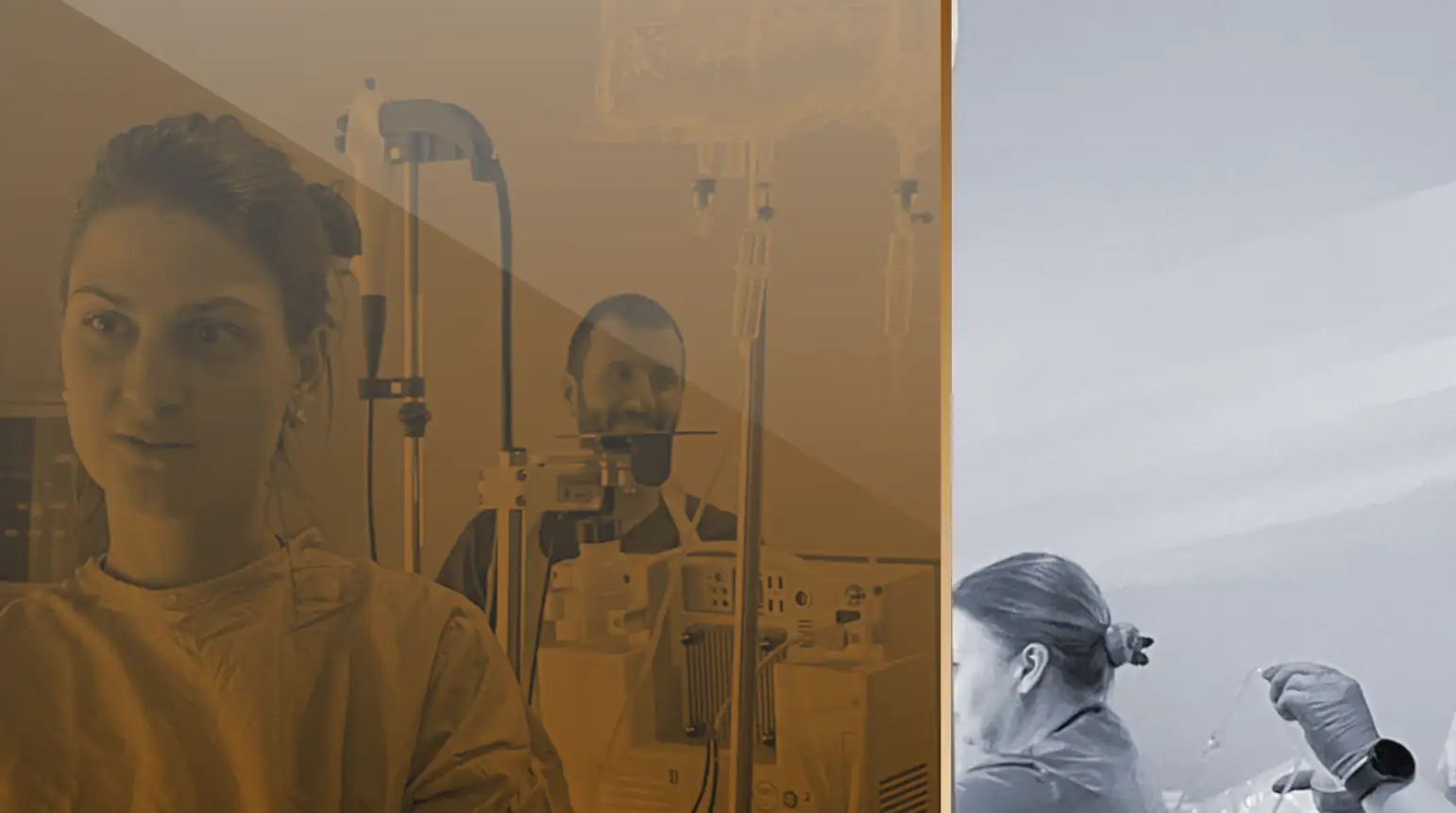
Internal Medicine: Basic Neurology and Infectious Diseases
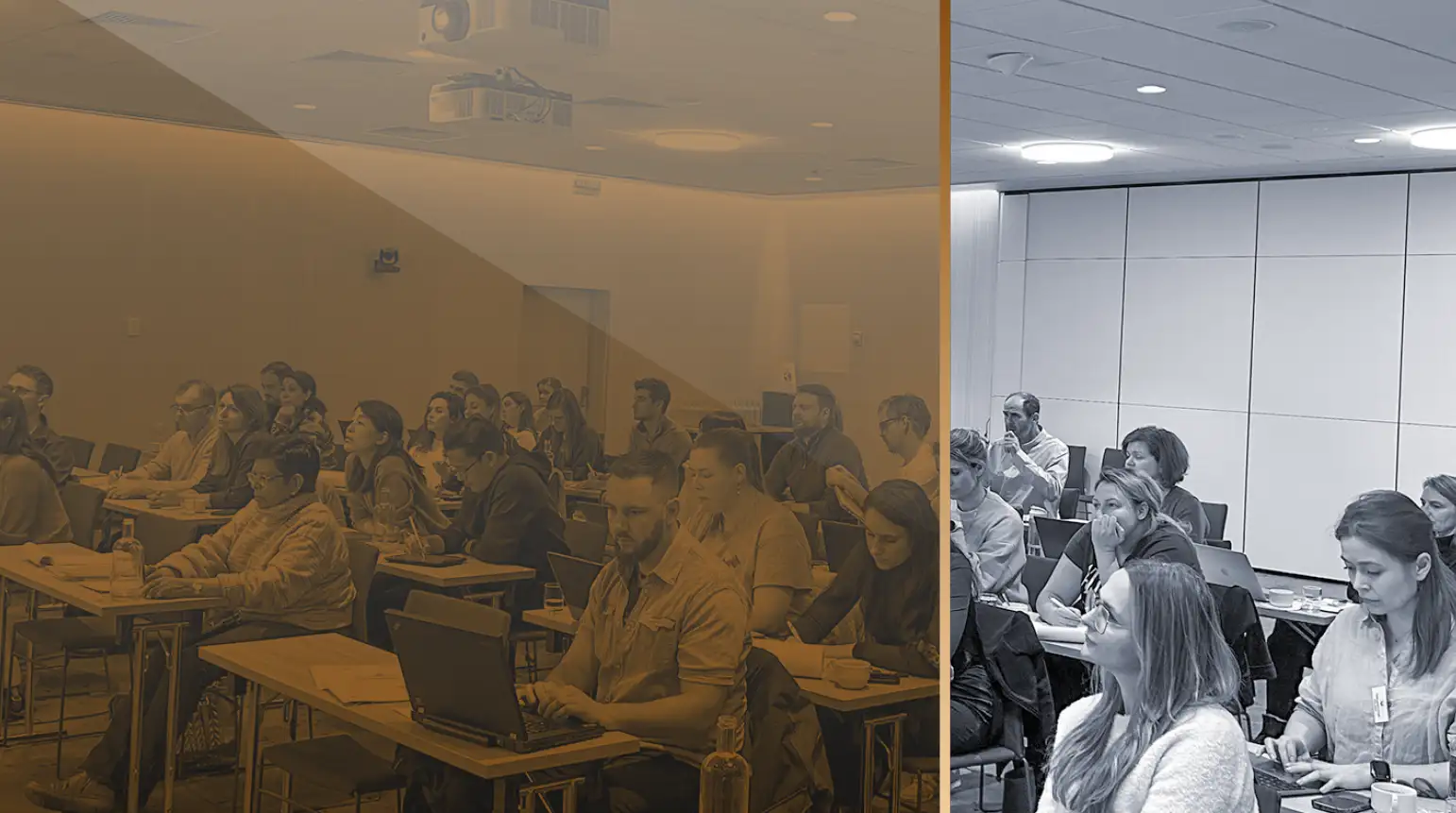
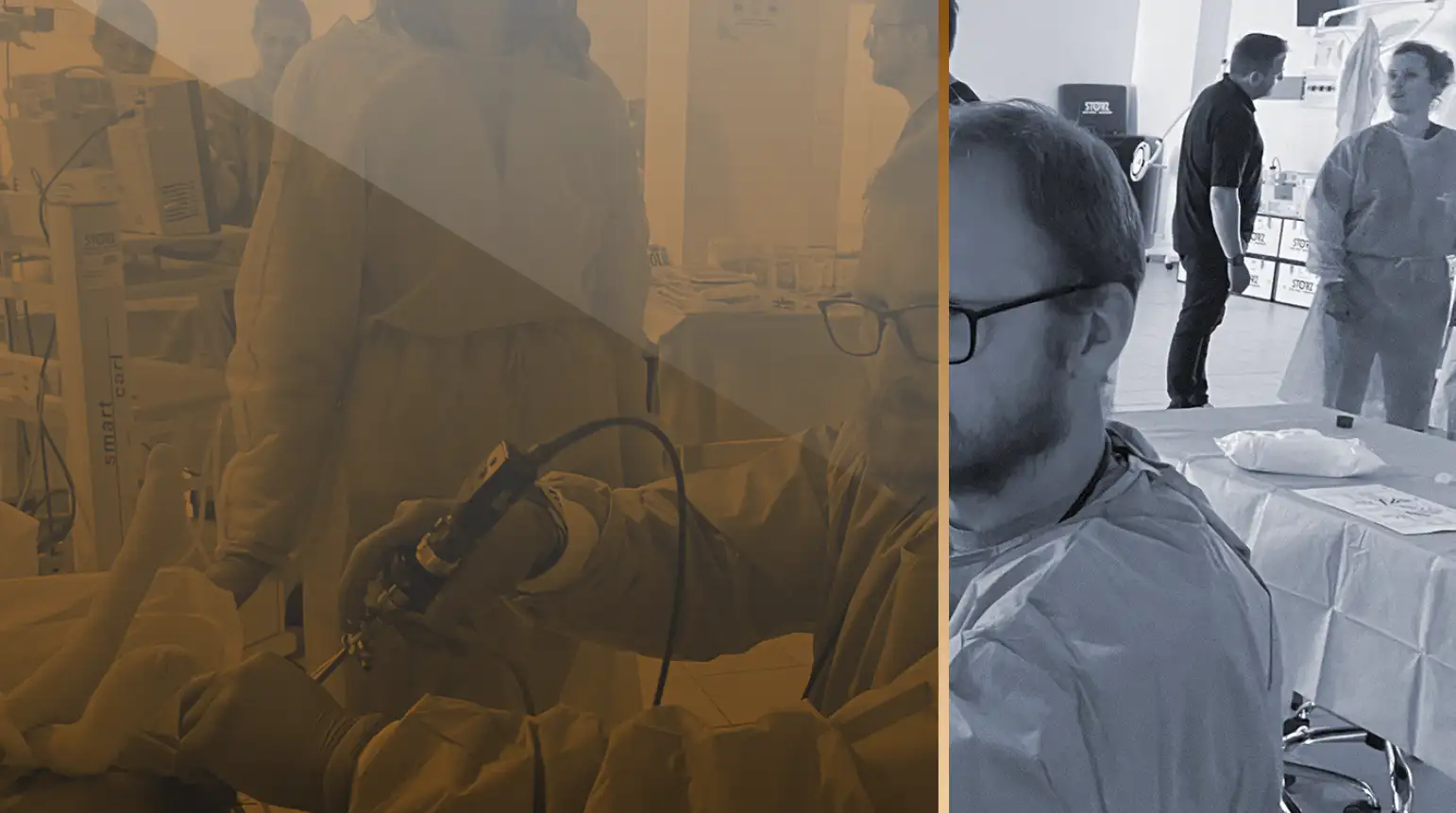
Internal Medicine: Endoscopy Course Using Natural Orifices
Internal Medicine: Gastroenterology, Liver & Pancreas
Internal Medicine: Nephrology & Endocrinology
Internal Medicine II
Internal Medicine: Endoscopy Course Using Natural Orifices
Meet the ESAVS Internal Medicine team